


Field guides acquired the form in which we know them today in the first half of the last century in the USA. The first objects of such works were birds, thanks to the rapidly developing science devoted to them at that time - ornithology. Interest in it grew, which led to the creation of the first ornithological society - the "Audubon Society", established in the USA in 1885, the main activity of which was the conservation of bird fauna. The modern guide is a richly illustrated publication with a small and convenient format, designed to facilitate the identification of various species of a given fauna or flora in field conditions. They are used by a wide range of people belonging to different groups, including ornithologists, conservationists, etc. However, for the most part, the users of this type of publication are amateurs.
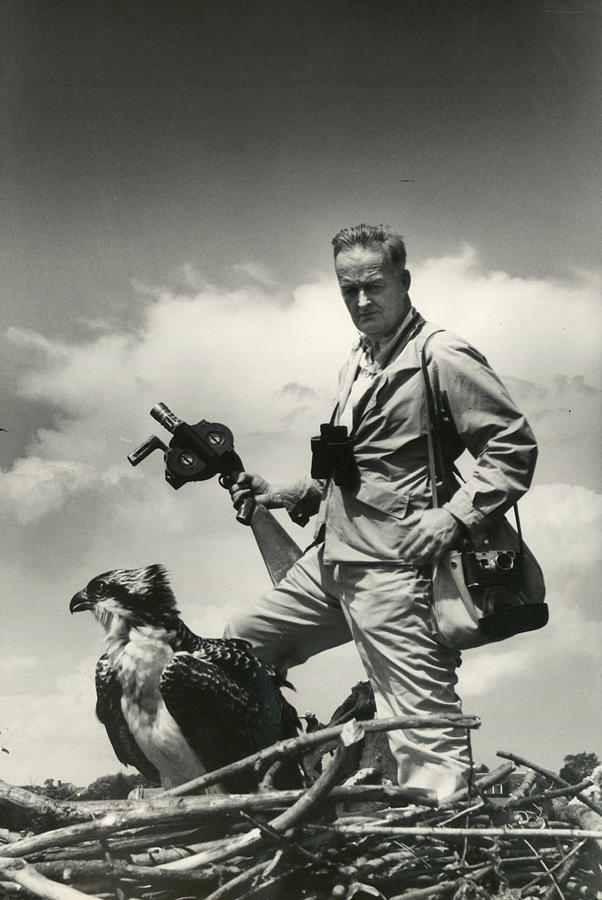
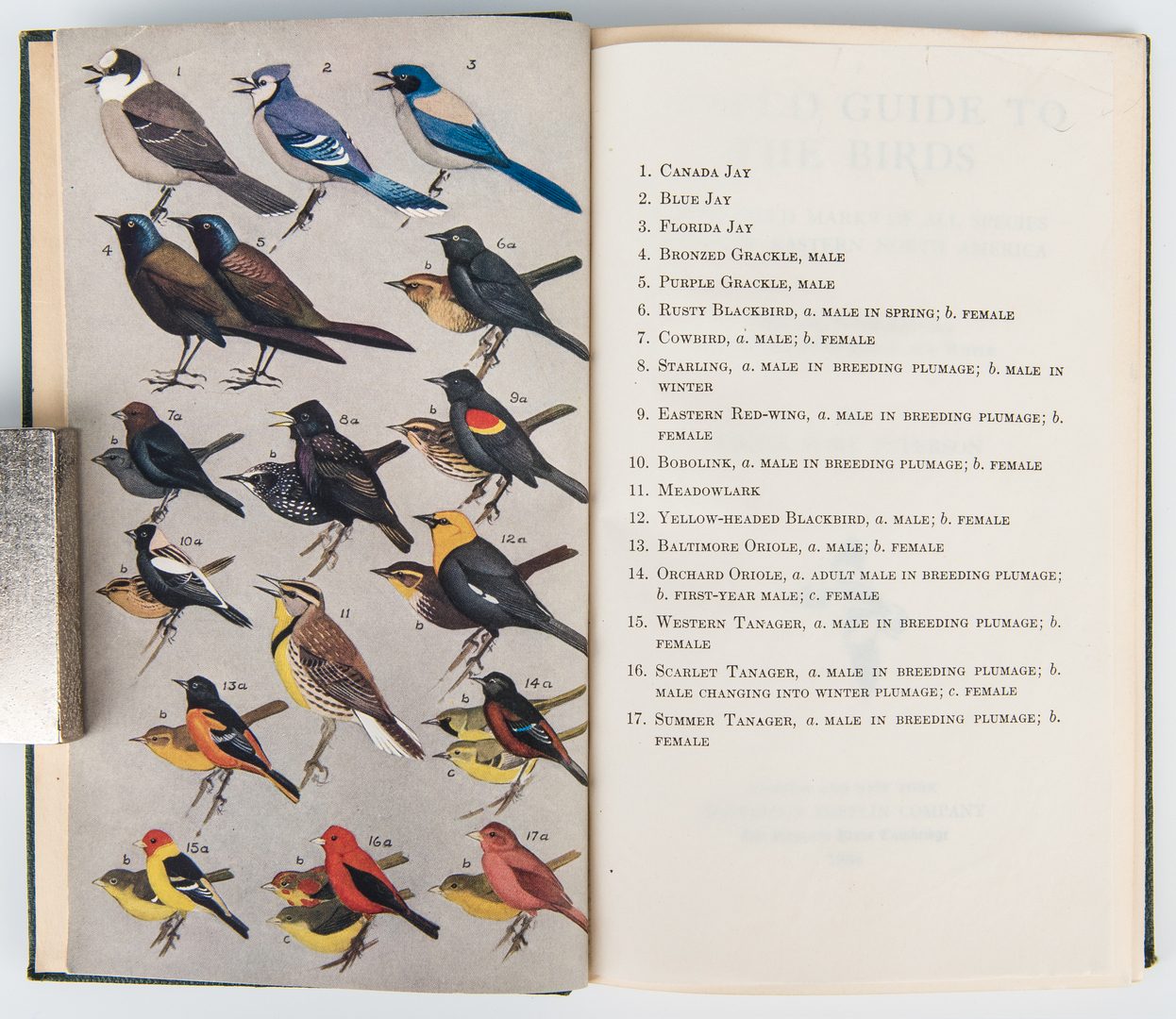
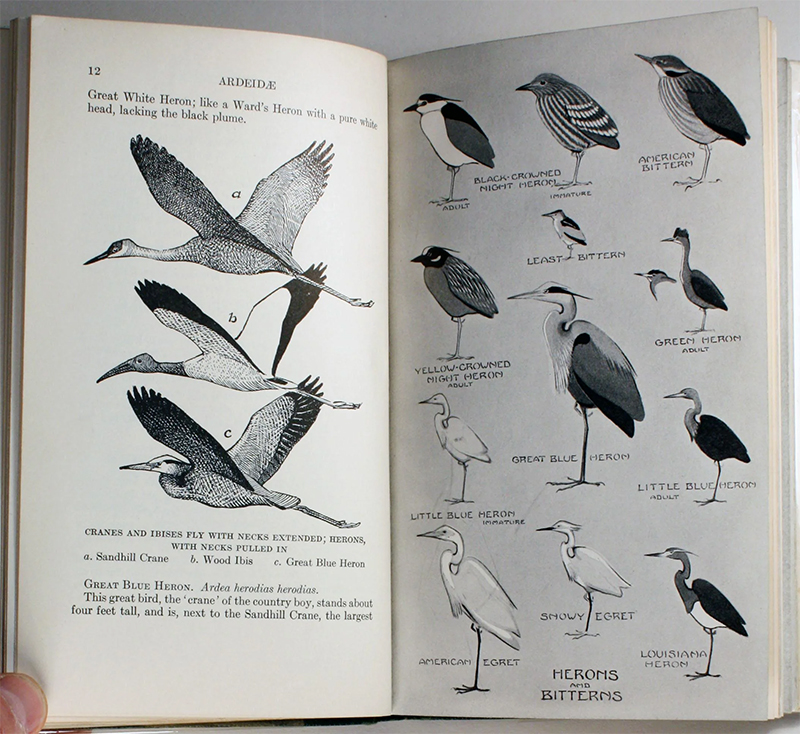
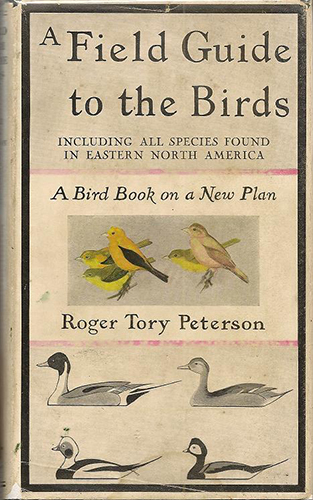
One of these enthusiasts, a member of the youth branch of the Audubon Society, was only 11 when he bought binoculars and the field notes of Chester A. Reed, one of the greatest innovators in the field. Fifteen years later, the young naturalist published his first note, which significantly changed the identification books of his time and set a new standard. That reader was Roger Torrey Peterson. The widely recognized “father of the modern field note” was a dedicated ornithologist who, like many of his predecessors, promoted the use of magnifying devices at the expense of weapons. This is largely due to the fact that at the time when field notes were being developed, many people were not only interested in studying nature, but also in preserving it. Among them, of course, were many scientists and naturalists. As such, Peterson actively works in this direction, through his descriptors. Photography comes to his aid here, as a way to record data quickly and without taking the life of the subject. Despite the fact that he uses photography extensively in his work, he believes that in no way can a photograph be better than a scientific illustration, just as a photographer could not replace a good and experienced artist. For him, in the latter, there is often a build-up of images that he subsequently integrates into a given drawing, and it is not the result of a momentary registration, which is the case with photography. Also, a naturalist artist or scientific illustrator always knows how and what exactly to emphasize in order to show the most essential. In his first descriptor, he develops his system, later called the Peterson Identification System, which consists of two innovations. The first is the small arrows on the illustrations, indicating the important distinguishing features for each species. This, as well as the concise but extremely convincing illustrations, were inspired by the schematic drawings of ducks with accompanying notes in miniature type in Ernest Thompson Seton's book "Two Little Savages". At the same time, Peterson provides key descriptions for each bird and valuable field notes, which, together with the clear and categorical illustrations, easily and quickly orient the reader in identifying birds in the field. Like most books at that time, Peterson's dictionary is mainly black and white, but contains several color plates in the middle, where related species are collected, to facilitate their recognition. Also, like most of his predecessors, the author treats the eastern part of North America, but here for the first time all the species known at that time are included. The edition was a huge success and many reprints followed. In the year when Peterson published his first dictionary, he also became part of the National Association of Audubon Societies as editor of the educational program and art editor of the organization's magazine. In 1941, he published a definition for the Western part of the region. In addition to a long-standing interest and extensive knowledge in the field of ornithology, Peterson also had a solid artistic education, which made him one of the greatest scientific illustrators, along with his favorite artist Louis Agassiz Fuertes..
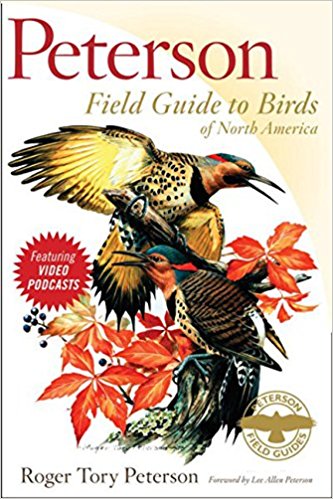
The evolutionary development of field descriptors has been marked by numerous introductions and improvements, and its appearance in itself is an innovation. Thanks to the descriptor, it becomes possible to provide information about certain objects in a way accessible to the majority of people, therefore, to cultivate in them an interest and desire to preserve them. One of the people with the greatest contribution to this is Roger Torrey Peterson. His descriptors continue to be revised and republished to this day, which makes them some of the most popular among the audience.
Author: Denitsa Peneva


Add comment