


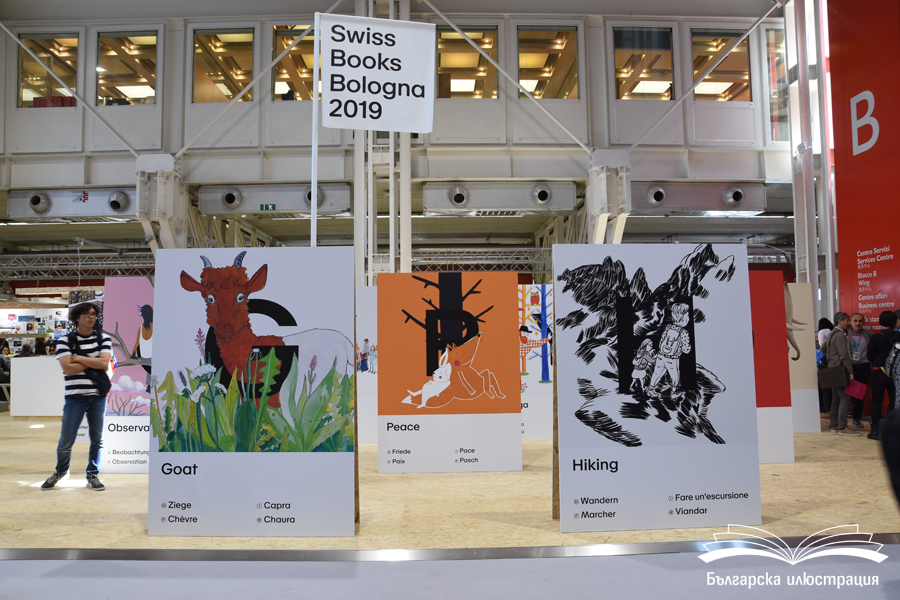
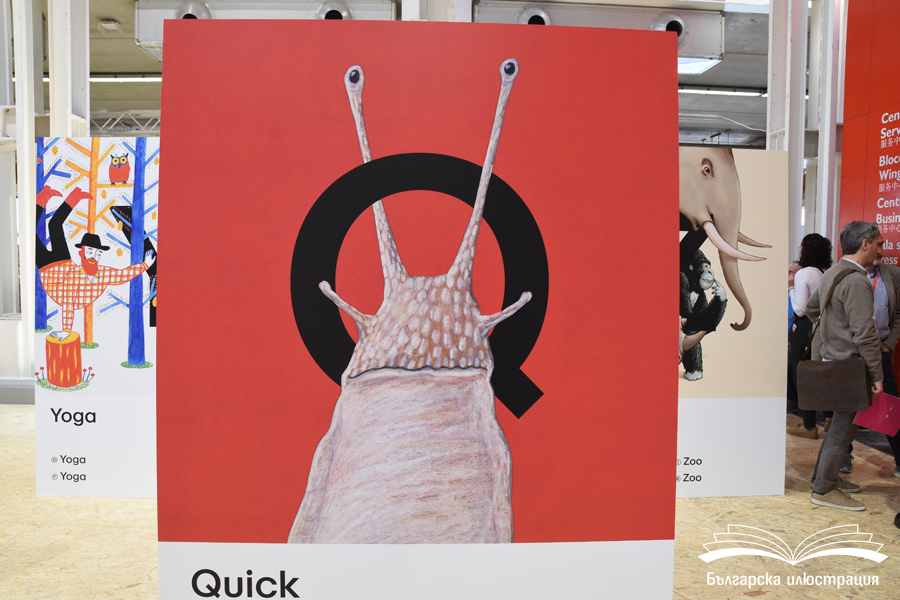
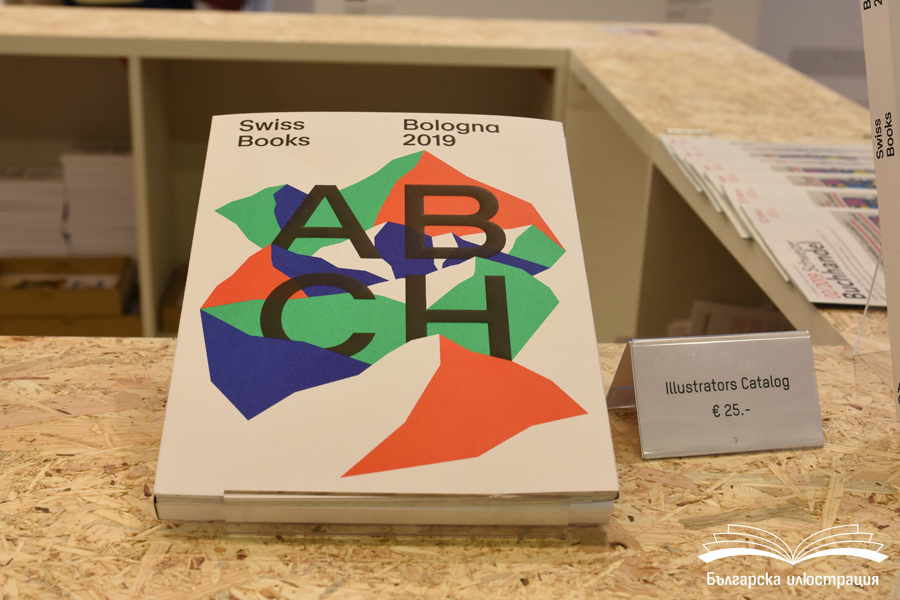
The 56th Bologna Book Fair opened on April 1, 2019. The official ceremony was attended by the president of Bologna Fiere, Gianpiero Calzolari, who promised that not only in the current edition, but by 2024 the entire space of the fair would be changed. The deputy mayor of the city announced that the book fair is not only on the exhibition grounds, but also in 72 other locations in the heart of Bologna with more than 120 events. A representative of The Italian Publishers Association shared that over the past 10 years the percentage of children's books in Italy has grown from 1.2% to 20%, which makes up about 34% of children's books in the world. This year's guest country was Switzerland, which traditionally presents its own exhibition in the central lobby. The exhibition is entitled ABCH and if ABC is clear about what they are referring to, then believe me, I puzzled for a long time about what this H is doing at the end. Félix Baumann, Consul of Switzerland in Italy, explained to the esteemed audience – H – Helvetica! An exhibition that aims to show the world that the literature of one of the most financially developed countries is not limited to “Heidi”. For this purpose, 26 illustrators have been invited to create boards for each letter of the alphabet. At the end of the official part, the Deputy Minister of Culture of Italy announced two figures – €4 million is the voted budget to support reading in Italy for the next year, and in 2023 Italy will be the guest country of the Frankfurt Book Fair.
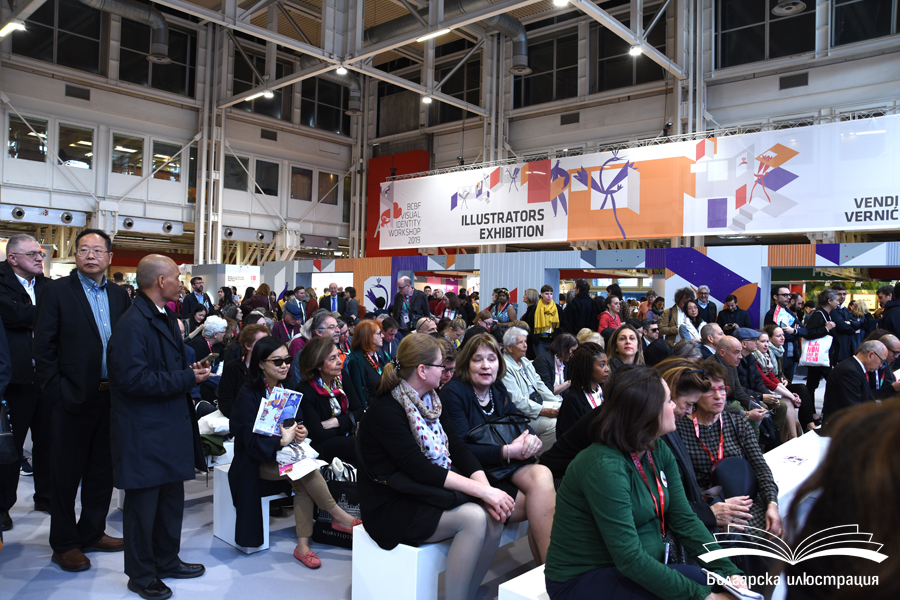
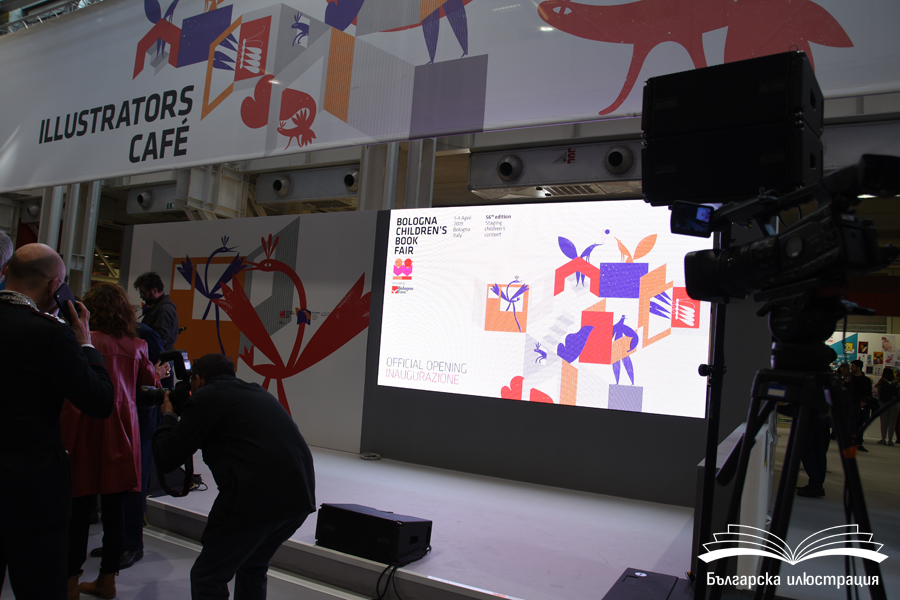
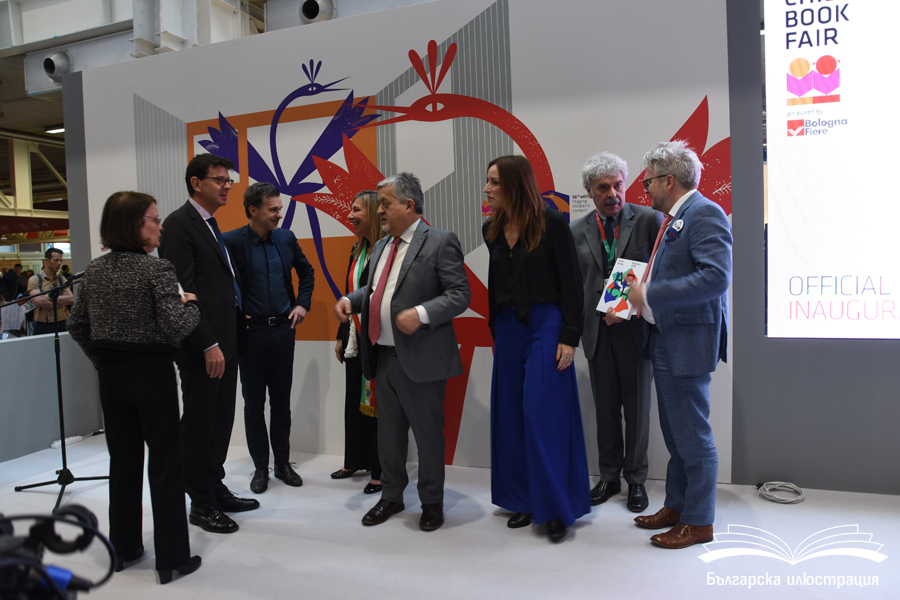
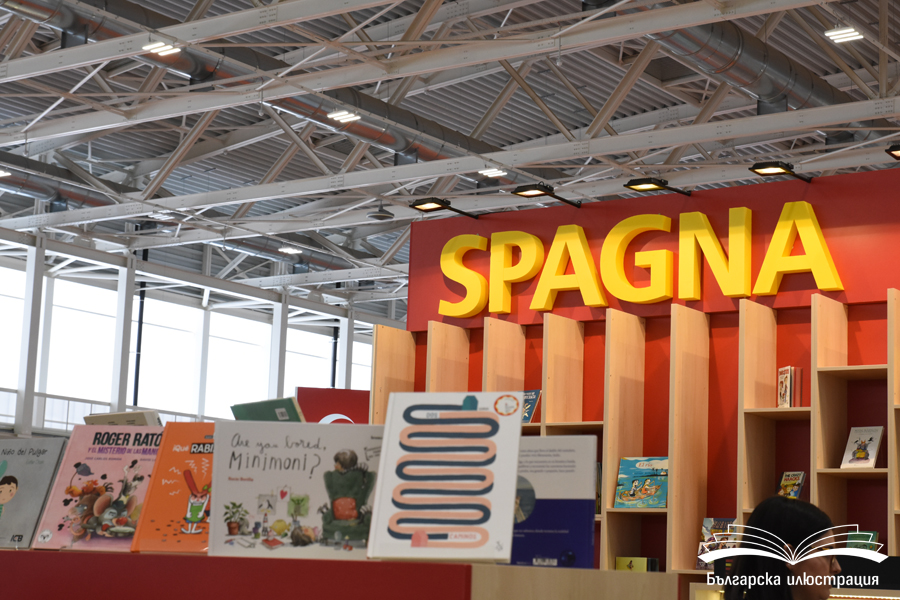
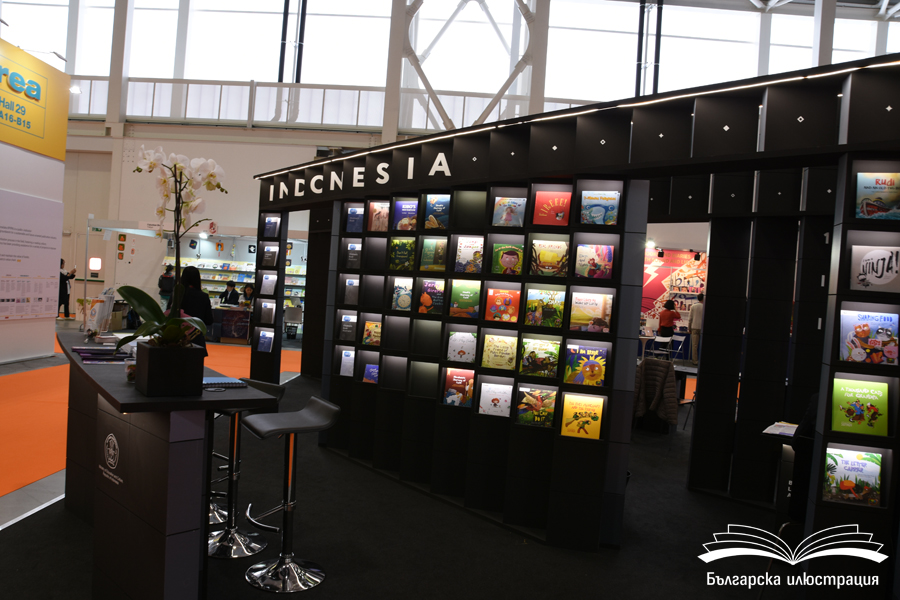
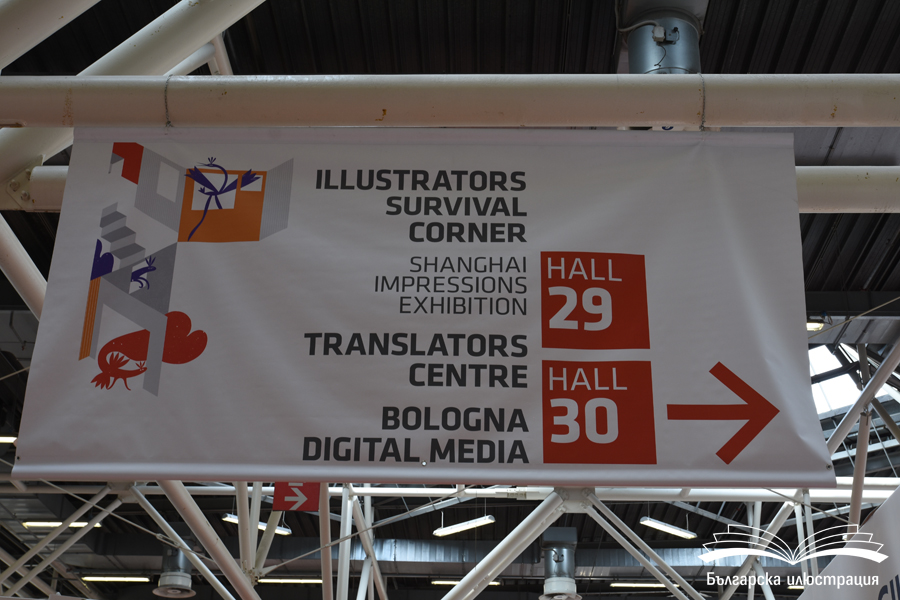
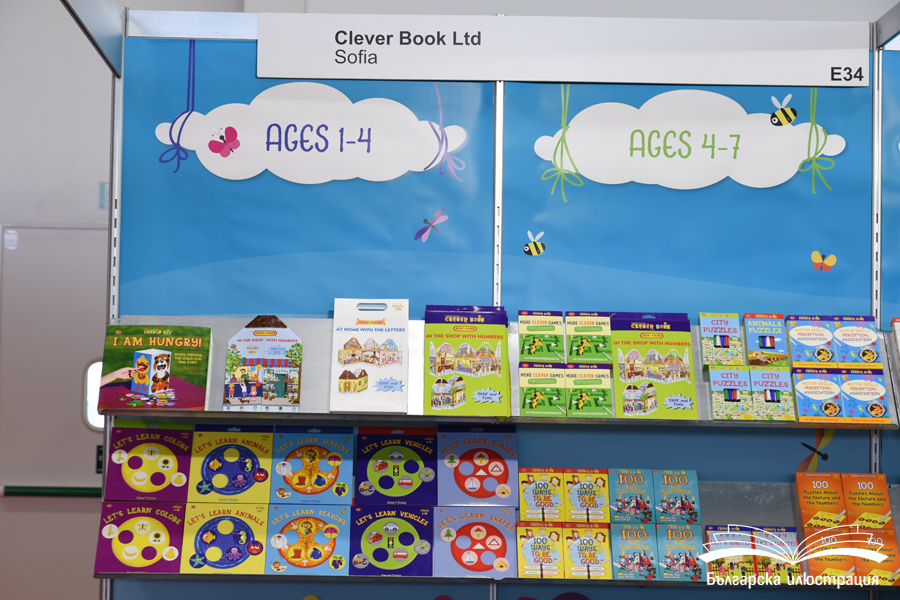
I will start more or less in the order of the official guests' introductions during the opening. I don't know if it's because I'm at my third fair in a row in just a few months, but this year Bologna seemed somehow more subdued and reserved. Certainly the guest of the previous edition - China - contributed to the greater liveliness among both the people and the exhibition programs, while Switzerland, as expected for me, is... colder. The halls also caused a slight disturbance in my visitor's soul, as something was out of place. Two new spaces have opened their doors, along with two new lobbies, which provide more space, so that the entire exhibition can accommodate 1,422 exhibitors from 70 countries. The catch was that the two "old" main halls, Hall 25 and 26, had gathered mainly Italian publishers. The new (further from the central entrance) Hall 29 and 30, on the other hand, had housed the national stands of various countries. Somewhat more distant and isolated than before, this time I saw them small, desolate and abandoned. Some changed their appearance, others retained their previous appearance, the noise and excitement that used to reign around them was missing. We don't have a Bulgarian stand, I've mentioned this several times already, only Cleverbook Publishing House is traditionally here.
But let's get back to the central Illustrators Café.
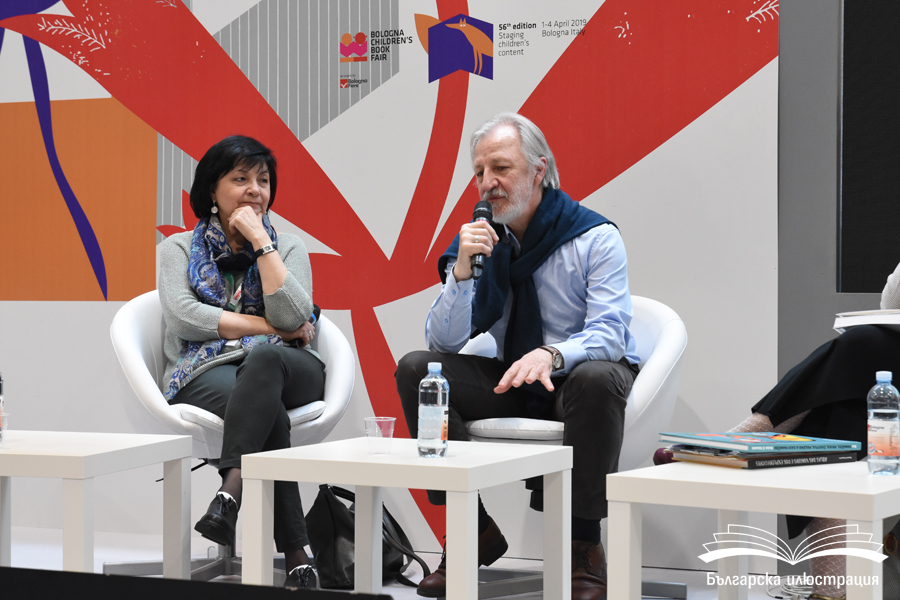
The exhibition of the ABCN is presented there, as I said, dedicated to the alphabet and the 26 cantons of Switzerland. And although we are talking about one country here, its literary work turns out to be strongly influenced by the surrounding Italy, France, Germany, Austria and Liechtenstein. Three of the participating artists were invited to the short conference dedicated to the exhibition, who had to answer three key questions about their work: "Where is childhood?", "Where is Switzerland?", "Where is home?". Francesca Sanna, who is Italian, but lives and works in Zurich, shared that regardless of the book, text or project, she always includes her beloved Italy in her compositions. Tom Tirabosco - half Italian, half French, living in Geneva, draws mainly comics in which he searches for himself through pictures from his childhood. He himself calls his works "illustrations in a series". And Claudia de yeck, who is originally German and expresses herself through an incredibly cute crocodile. Through these very different artists, the presentation aimed to show how one of the "small" countries in Europe has united 4 national languages. And according to marketing research, every fourth children's book on the market is the work of a Swiss publisher.
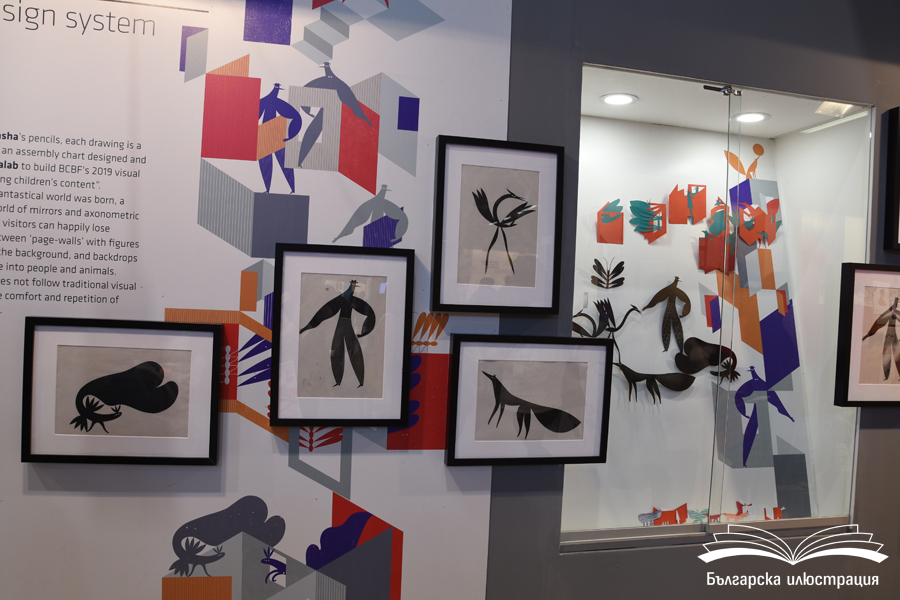
The new identity of the fair, created by Russian artist Masha Titova, together with studio Chibalab, was also presented. This year, the world of Bologna is filled with foxes, butterflies, dragons, men in hats, who jump out of various rectangular shapes and aim to interact with the fair space as if in an open book.
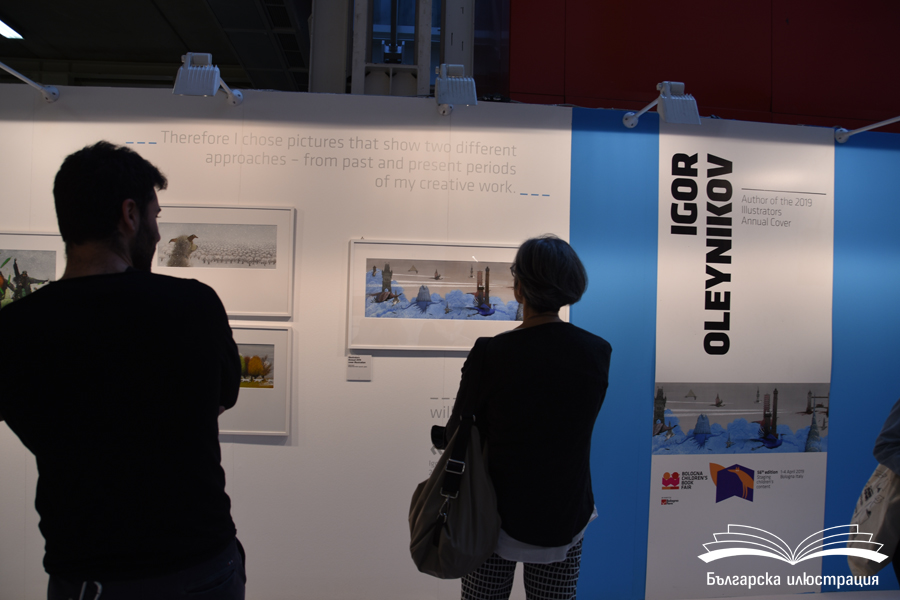
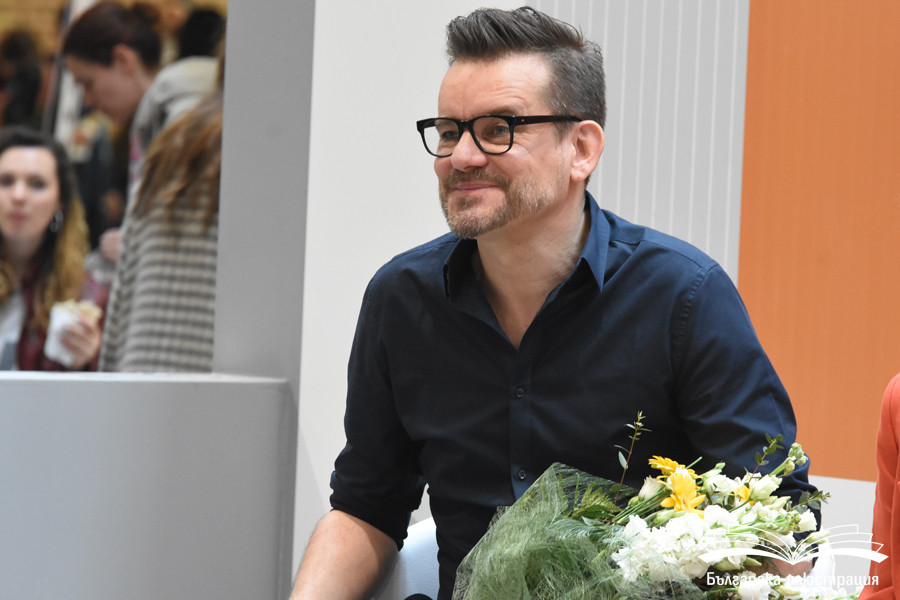
The solo exhibition of Igor Oleinikov (winner of the 2018 Hans Christian Andersen Award) is one of the jewels of this year's edition. In a separate press conference, the artist had the opportunity to tell a little more about himself and his way of working. A graduate of mechanical engineering, he worked in the field of animated films for 30 years when he began to actively engage in illustration. He defines himself as a co-author of the text, as he never aims to recreate what has already been written. "I grab onto the details, they are there because the writer has put them there on purpose. (…) I invent my characters, I create their lives before, during and after the story". He does not work on books that tell about everyday things, he seeks the magic, the mystery that keeps him in suspense both as a reader and as an artist. And one small detail that is definitely noticeable in the presented works - the snow! "I love snow, I try to include it in every story, at every opportunity. Even when I illustrated the Bible, I moved the action to Siberia to draw snow!" Oleinikov is also the author of the cover of this year's illustrators' catalog.
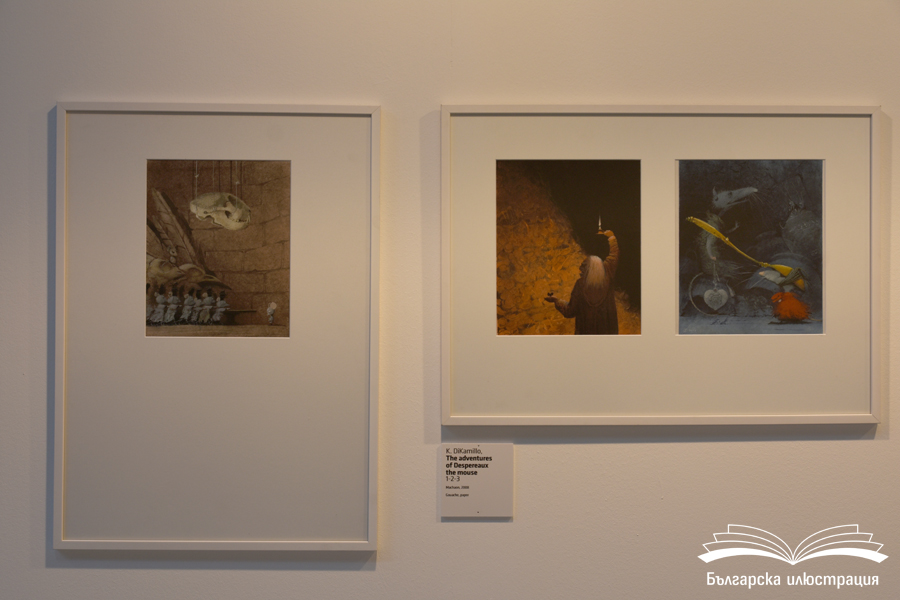
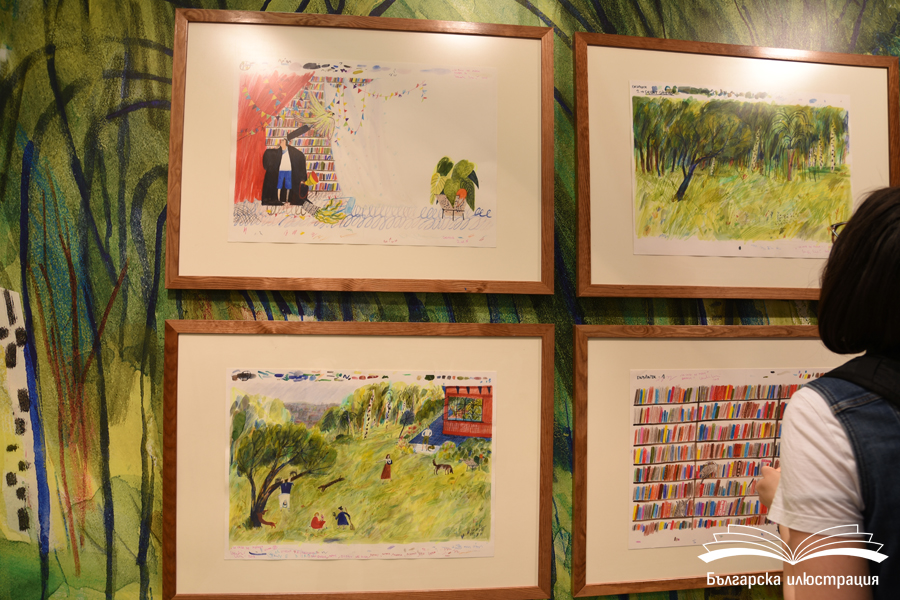
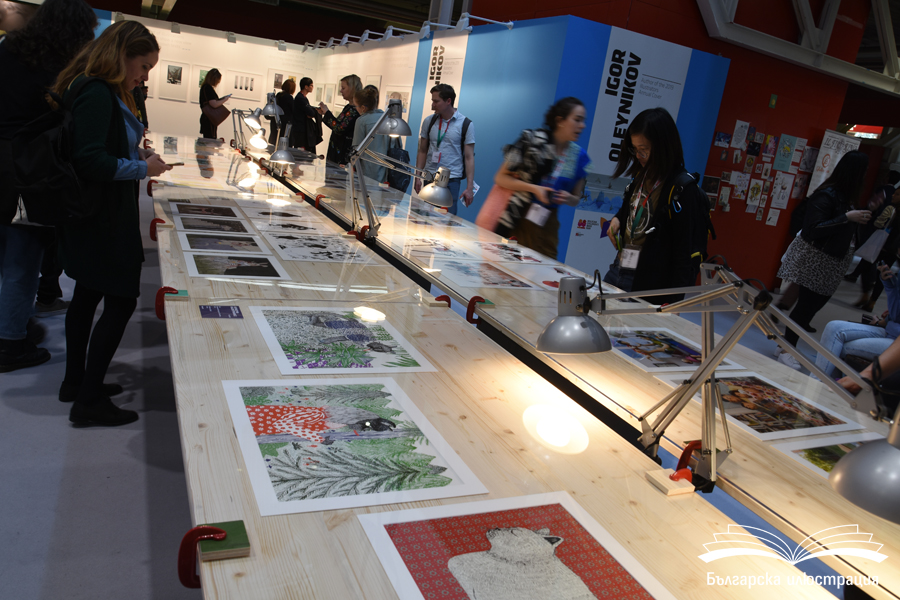
Vendi Vernić (last year's winner of the Fundacion SM award for illustrators under 30) is also presented with an exhibition. The illustrations are from the book, which was published by the foundation by regulation. And in the center of the space with the traditional exhibition of the selected illustrators (about them in the next article).
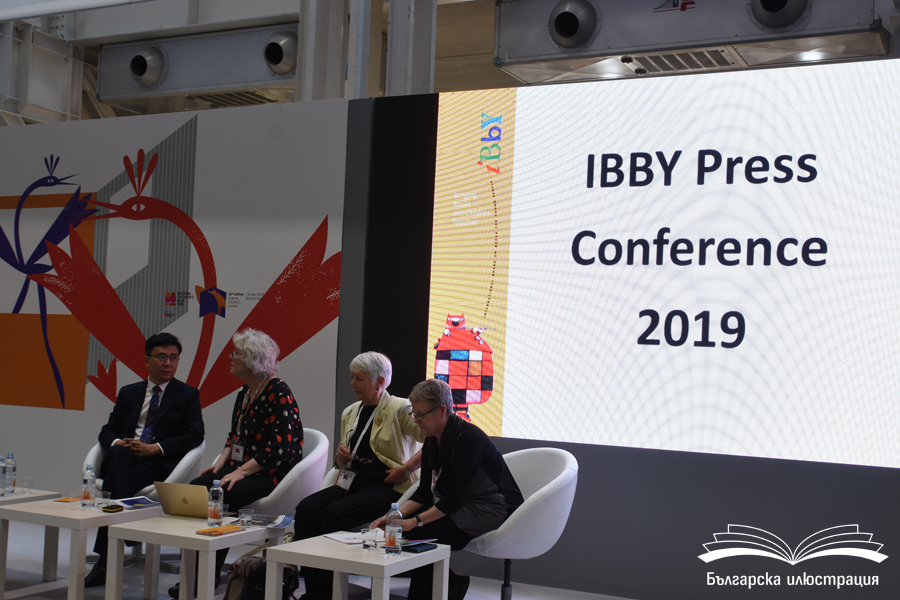
The annual IBBY press conference was held during the first two days and the annual Astrid Lindgren Award was presented.
IBBY announced the jury for the 2020 Hans Christian Andersen Award. The winners of the award will be announced next year during the Bologna Fair. Next year's international conference will be in Moscow. Russia (USSR) became a member of IBBY back in 1968 (the organization itself began its activities in 1953). The slogan will be “Great Big World Through Children’s Books: National and Foreign Literature — Role, Value, Impact on Young Readers in Different Countries”.
(As you know, Bulgaria has not been a member of the organization since the 1990s.)
The Astrid Lindgren Award was presented this year again via video link with Stockholm. Amanda Lind (Swedish Minister of Culture) described the prize as “unifying because it creates a sense of community between all literary circles in the world.” The prize was won by Belgian writer Bart Moeyaert.
Photos and text: Milena Radeva
Add comment